Blog

The art and science of sputtering

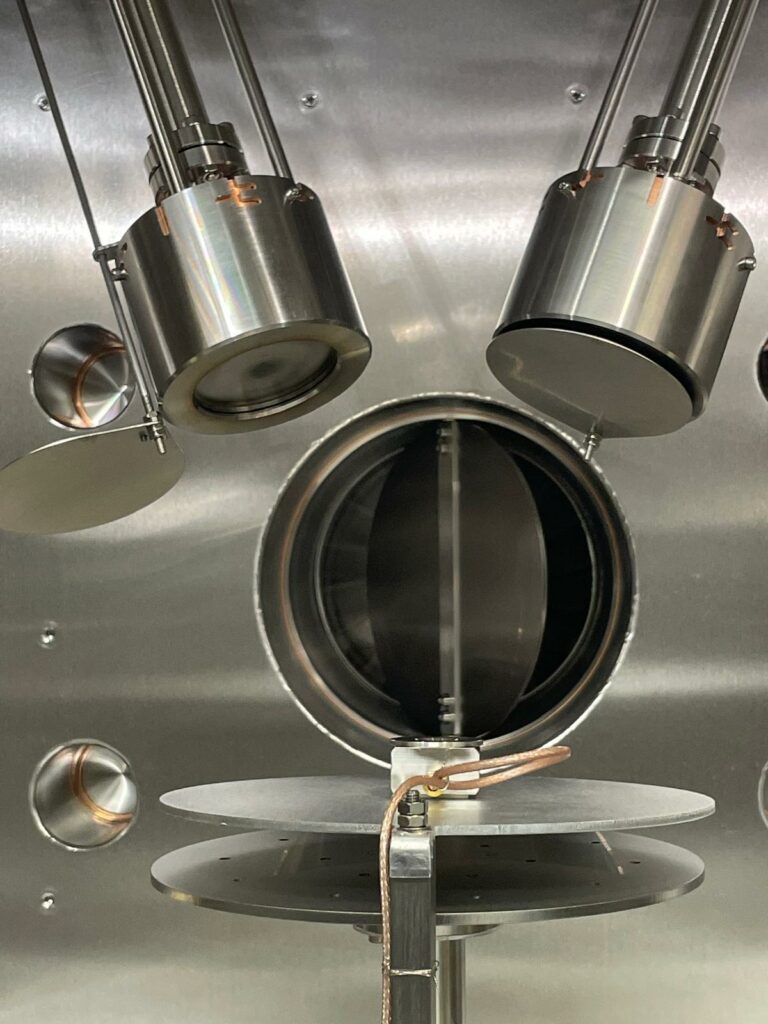
Want to read offline? [Download PDF] In the realm of material science and thin-film deposition, sputtering stands out as a pivotal technique for creating high-quality coatings. Whether you’re developing cutting-edge electronic devices, advanced optics, or high-performance sensors, the choice of sputtering technology can make a significant difference. In this blog post, we will discuss sputtering

The art and science of sputtering Read More »

Can Ni-Based Catalysts Enable Reliable Ammonia Cracking?

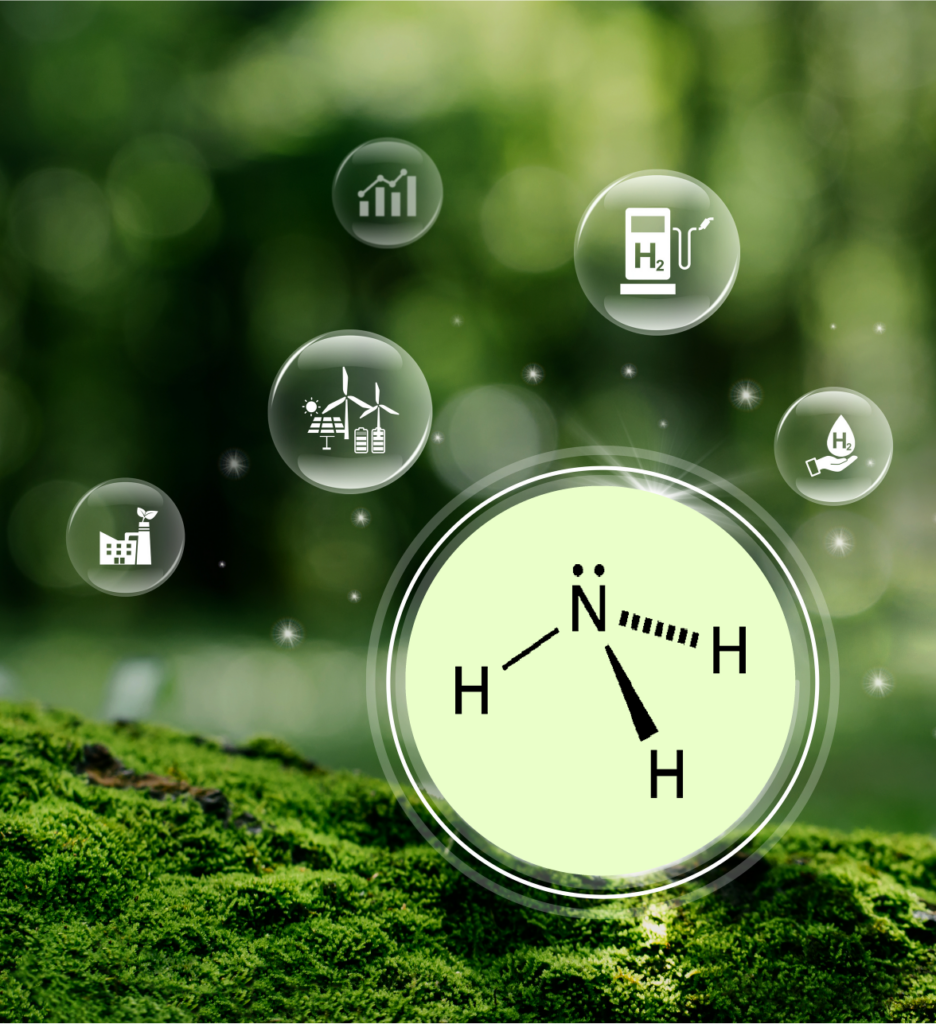
Want to read offline? [Download PDF] The search for sustainable energy solutions is necessary to protect the planet from greenhouse gases and pollution. Hydrogen is one solution for consideration. It has the capability to create electricity, without forming any harmful by-products, and store energy. Estimates have been made that by 2030, the need for clean

Can Ni-Based Catalysts Enable Reliable Ammonia Cracking? Read More »

Why Ni Catalysts are so Promising for Green Hydrogen

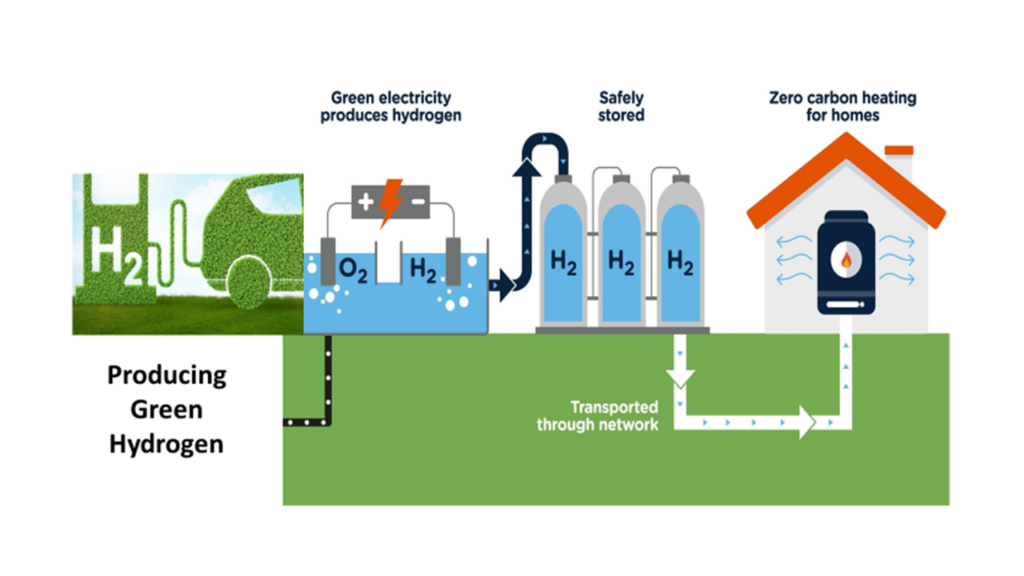
Want to read offline? [Download PDF] Adopting sustainable energy is crucial for achieving a better future—one that optimizes resource utilization and minimizes the negative impacts of fossil fuel consumption. Green hydrogen, a clean energy source that only emits water vapor as a byproduct, is a promising alternative produced through sustainable energy. The production process involves

Why Ni Catalysts are so Promising for Green Hydrogen Read More »

Molybdenum catalysts: A cost-effective alternative to platinum?

Want to read offline? [Download PDF] Numerous material characteristics can be used to form a catalyst, from nickel and gold to rhodium and copper. Each has properties that can affect the catalyst’s overall activity, stability, and selectivity. One catalyst material that draws attention is platinum. Utilized in catalytic converters and for the creation of hydrogen,

Molybdenum catalysts: A cost-effective alternative to platinum? Read More »

Improving Ruthenium-Based Catalyst Stability for Green Electrolysis

Want to read offline? [Download PDF] Green electrolysis has emerged as a pivotal technology in pursuing sustainable energy solutions. The catalysts that drive reactions are central to this process – particularly in water splitting. Ruthenium-based catalysts are among the many that show great promise, primarily due to their high activity. But, their poor stability limits

Improving Ruthenium-Based Catalyst Stability for Green Electrolysis Read More »

Are cobalt catalysts an option for green hydrogen production?

Want to read offline? [Download PDF] Green hydrogen production via electrolysis has emerged as a key technology in the search for sustainable energy solutions. It involves splitting water into its constituents, hydrogen and oxygen. Traditional electrolyzers rely on precious metal catalysts like platinum and iridium. Although both are effective, they are also costly and scarce.

Are cobalt catalysts an option for green hydrogen production? Read More »

NiFeCoMoAl HEA nanoparticle catalyst

Why Metal Oxide Catalysts are Ideal for CO2 Capture and Conversion

Want to read offline? [Download PDF] By producing carbon dioxide (CO2) emissions, ultimately totaling 34-36.8 billion tonnes of CO2 every year, the planet is being endangered. About 45% of this CO2 is from fossil fuels, with estimates being made that fossil fuels have been responsible for at least 67% of the Earth’s rise in temperature. 

Why Metal Oxide Catalysts are Ideal for CO2 Capture and Conversion Read More »

Scroll to Top