Blog

Why Ni Catalysts are so Promising for Green Hydrogen

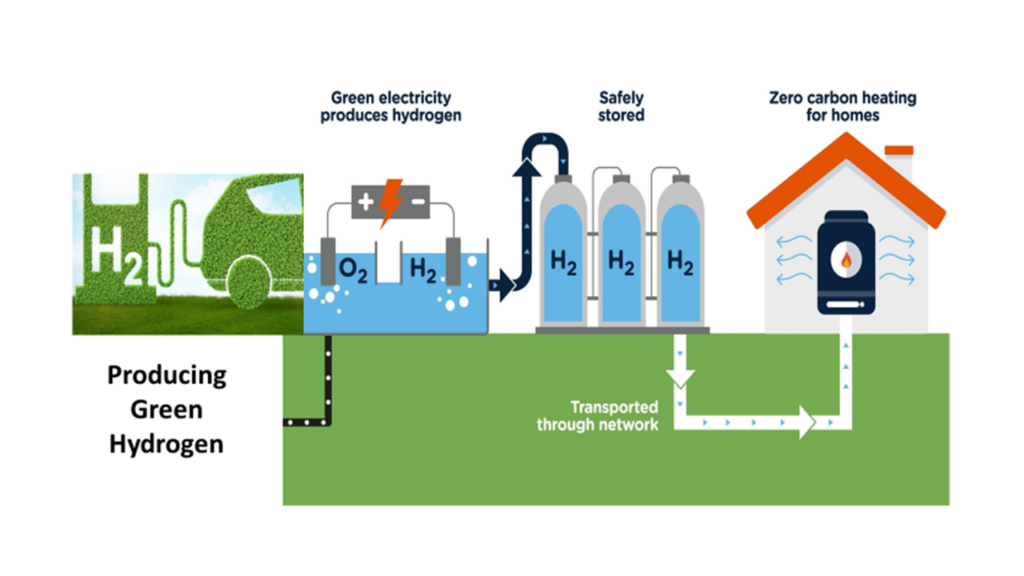
Want to read offline? [Download PDF] Adopting sustainable energy is crucial for achieving a better future—one that optimizes resource utilization and minimizes the negative impacts of fossil fuel consumption. Green hydrogen, a clean energy source that only emits water vapor as a byproduct, is a promising alternative produced through sustainable energy. The production process involves […]

Why Ni Catalysts are so Promising for Green Hydrogen Read More »
Molybdenum catalysts: A cost-effective alternative to platinum?

Want to read offline? [Download PDF] Numerous material characteristics can be used to form a catalyst, from nickel and gold to rhodium and copper. Each has properties that can affect the catalyst’s overall activity, stability, and selectivity. One catalyst material that draws attention is platinum. Utilized in catalytic converters and for the creation of hydrogen,

Molybdenum catalysts: A cost-effective alternative to platinum? Read More »

Improving Ruthenium-Based Catalyst Stability for Green Electrolysis

Want to read offline? [Download PDF] Green electrolysis has emerged as a pivotal technology in pursuing sustainable energy solutions. The catalysts that drive reactions are central to this process – particularly in water splitting. Ruthenium-based catalysts are among the many that show great promise, primarily due to their high activity. But, their poor stability limits

Improving Ruthenium-Based Catalyst Stability for Green Electrolysis Read More »

Are cobalt catalysts an option for green hydrogen production?

Want to read offline? [Download PDF] Green hydrogen production via electrolysis has emerged as a key technology in the search for sustainable energy solutions. It involves splitting water into its constituents, hydrogen and oxygen. Traditional electrolyzers rely on precious metal catalysts like platinum and iridium. Although both are effective, they are also costly and scarce.

Are cobalt catalysts an option for green hydrogen production? Read More »

NiFeCoMoAl HEA nanoparticle catalyst

Why Metal Oxide Catalysts are Ideal for CO2 Capture and Conversion

Want to read offline? [Download PDF] By producing carbon dioxide (CO2) emissions, ultimately totaling 34-36.8 billion tonnes of CO2 every year, the planet is being endangered. About 45% of this CO2 is from fossil fuels, with estimates being made that fossil fuels have been responsible for at least 67% of the Earth’s rise in temperature. 

Why Metal Oxide Catalysts are Ideal for CO2 Capture and Conversion Read More »

NiFeCoMoAl HEA nanoparticle catalyst

What Catalysts are used in Artificial Photosynethsis?

Want to read offline? [Download PDF] Biomimicry is a revolutionary concept referring to the imitation of natural processes in artificial settings. It is a hallmark of sustainable research and development (R&D), contributing to circular and regenerative engineering in a host of applications. The concept is simple: We emulate natural processes to resolve critical challenges facing

What Catalysts are used in Artificial Photosynethsis? Read More »

How Coated Nanoparticles Can Increase the Rates of Catalytic Reactions

Want to read offline? [Download PDF] In the ever-evolving landscape of chemical engineering and materials science, the advent of coated nanoparticles as catalysts stands out as a beacon of innovation. This groundbreaking approach has the potential to significantly enhance the rates of catalytic reactions, a development with far-reaching implications in various industrial and scientific domains.

How Coated Nanoparticles Can Increase the Rates of Catalytic Reactions Read More »

Source options for the NL-UHV

Particle Generators for Heterogeneous Catalysts

Want to read offline? [Download PDF] Heterogeneous catalysts are revolutionizing how we approach chemical reactions, playing a pivotal role in various industrial processes. At Nikalyte, we recognize their immense importance and strive to advance their development and application. Understanding Heterogeneous Catalysts Heterogeneous catalysis occurs when the phase of catalysts differs from that of reactants or

Particle Generators for Heterogeneous Catalysts Read More »

5 Emerging Applications of Magnetic Nanoparticles

Want to read offline? [Download PDF] Magnetic nanoparticles (MNPs) have become a focal point in nanoparticle engineering. Their unique magnetic properties, combined with their biocompatibility, have positioned them as a promising tool in various scientific and medical domains. As research progresses, the potential applications of these nanoparticles continue to expand, offering solutions to challenges once

5 Emerging Applications of Magnetic Nanoparticles Read More »

Scroll to Top